

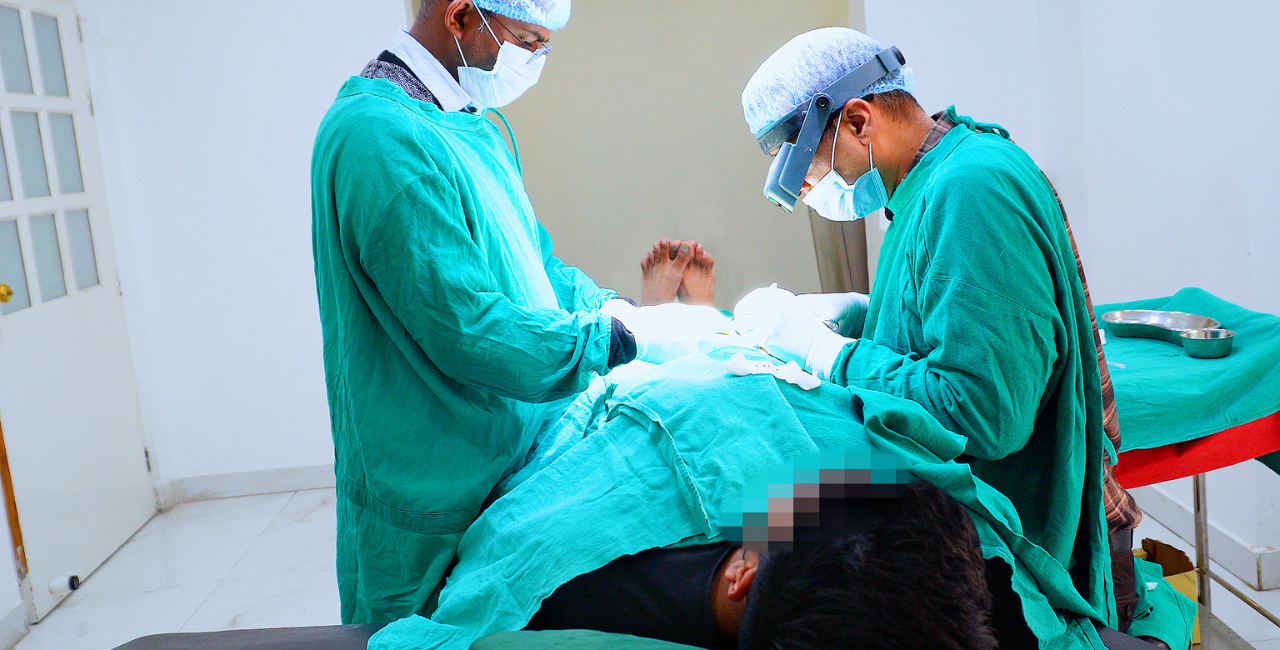
Penile Dorsal Neurectomy Procedure
The surgery involves making small incisions on the dorsal (top) side of the penis to access the dorsal nerve. The nerve is either partially or fully severed or disrupted, reducing the excessive sensory input that can lead to premature ejaculation.
Timing: The procedure usually takes between 30 to 60 minutes, performed on an outpatient basis, meaning you can typically go home on the same day.
Anesthesia: Penile dorsal neurectomy is generally performed under local anesthesia, ensuring that the procedure site is numb, and you are comfortable. In some cases, general anesthesia may be used for a more relaxed experience. The anesthesiologist will determine the best approach based on your individual health and preferences.
Recovery and Follow-up: Most patients experience mild discomfort after the procedure, which can be managed with pain relievers. You'll be advised to avoid strenuous activity for a few weeks to allow for healing. Follow-up appointments will ensure that you're recovering well and to monitor the effectiveness of the procedure.
Benefits of Dorsal Neurectomy
Dorsal neurectomy offers a personalized surgical approach for carefully selected patients experiencing penile hypersensitivity and premature ejaculation, with a focus on improving control, confidence, and overall quality of life.
Improved Ejaculatory Control
Men who undergo penile dorsal neurectomy often experience a significant delay in ejaculation, allowing for longer-lasting sexual activity and improved satisfaction for both partners.
Fast Recovery
The procedure is typically quick, taking about 30 to 60 minutes, and is performed with either local or general anesthesia. Most men can return to normal activities in a few days to weeks, with minimal downtime.
Enhanced Sexual Confidence
The procedure helps reduce anxiety around sexual performance and the fear of premature ejaculation, leading to greater confidence and enhanced sexual enjoyment.
Long-Term Results
Once the dorsal nerve is altered, the effects are typically long-lasting, providing permanent improvement in ejaculatory control, with minimal need for further interventions
Is Penile Dorsal Neurectomy Right for You?
If you're struggling with ejaculatory control or premature ejaculation and have tried other methods without success, Penile Dorsal Neurectomy may be the solution you're looking for. It can provide lasting relief, improve your sexual timing and boost your confidence.
Persistent Premature Ejaculation
Suitable for carefully selected men experiencing persistent premature ejaculation after a comprehensive medical assessment.
Penile Hypersensitivity
The procedure may be considered when excessive penile sensitivity is identified as a contributing factor during clinical evaluation.
Good Overall Health
Candidates should be in good general health and medically fit to undergo surgery following a comprehensive evaluation.
Realistic Expectations
Understanding the potential benefits, recovery process, and expected outcomes is an important part of treatment planning.
What to Expect After Surgery
Recovery after dorsal neurectomy varies from patient to patient. Following your surgeon's post-operative instructions, attending scheduled follow-up visits, and allowing adequate healing time are important for achieving the best possible outcome.
Initial Healing
Mild swelling, tenderness, and temporary discomfort may occur during the early recovery period and generally improve as healing progresses.
Follow-Up Care
Regular follow-up appointments allow your surgeon to monitor healing, assess recovery, and provide personalized post-operative guidance.
Returning to Daily Activities
Most daily activities can be resumed gradually, while strenuous exercise and sexual activity should only be restarted after your surgeon's approval.
Gradual Improvement
As healing progresses, changes in penile sensitivity and ejaculatory control become more apparent. Individual recovery and outcomes may vary.
Common Questions About Dorsal Neurectomy
Find answers to some of the most frequently asked questions about dorsal neurectomy, recovery, candidacy, and treatment planning.
Treatment Snapshot

30 Minutes

Not Reqired

Local

2 Weeks
Every dorsal neurectomy procedure is planned after a confidential consultation, comprehensive medical evaluation, and assessment of your symptoms and treatment goals.
Discuss Your Treatment with Confidence
Receive personalized guidance from Dr. UB Rao in a completely private consultation.
Book ConsultationNo referral required • Private Consultation
Related Treatments
Explore other male health and non-surgical treatments that may complement your individual treatment goals.